How Will Australians Retire in 2040? Insights from the ASFA Conference


#12. Neil and Sarah have just wrapped up at the ASFA conference, and they reconnect with industry leaders and discuss the latest trends shaping super, from digital innovation and regulatory challenges to the future of retirement.
This episode features expert insights from guests like Jane Couchman from Aware Super, Zein el Hassan from Mills Oakley, and Shaun Bransdon from TAL Australia, covering everything from the rapid rise of AI in compliance to the changing expectations of retirement for future generations.
Highlights
00:34 Exciting exhibitors at ASFA Conference
03:01 Zen el Hassan, Partner at Mills Oakley, on AI in advice and super
06:03 Sarah's top picks of ASFA Conference sessions
10:00 Sarah's big idea: Separating accumulation funds from retirement funds
12:41 Retirement Funds: Accumulation vs. Drawdown
16:08 Shaun Bransdon, GM of Retirement and Wealth at TAL Australia, on retirement in 2040
16:40 "Future of Retirement in Australia"
18:14 Australia's aging population challenges
23:02 Jane Couchman, Chief Risk Officer and Group Executive, Sustainability at Aware Super, on balancing risk and compliance with innovation
26:12 Future of retirement the super system in 2050
28:08 Reflections on ASFA Con 2025 and looking forward to 2026
NEW! You can now find That Super Show on YouTube
Guests
- Zein El Hassan, Partner at Mills Oakley, on LinkedIn
- Shaun Bransdon, Retirement, Wealth and Superannuation Leader at TAL Life on LinkedIn
- Jane Couchman, Chief Risk Officer at Aware Super
That Super Show
That Super Show is the most downloaded podcast for Australian superannuation professionals. Sarah and Neil cover the issues, debates and decisions shaping the industry - without the spin.
Subscribe to the show wherever you listen to podcasts and don't forget to leave us a rating and review.
- Visit That Super Show website and become a newsletter subscriber
- Email hello@thatsuper.show if you've got a topic you'd like us to cover or a guest suggestion
- Follow That Super Show on LinkedIn
- Follow That Super Show on YouTube
Your Cohosts
Sarah Penn
Sarah Penn is the CEO and founder of Mayflower Consulting, an Australian financial services consultancy specialising in product governance, PDS management, and product operating model design. Her team works with super funds, fund managers, and investment platforms across Australia.
- Connect with Sarah on LinkedIn
- Follow Mayflower Consulting on LinkedIn
- Visit Mayflower Consulting website
Neil Benson
Neil Benson is the global chief product officer at ChandlerCX, where he leads a team focused on intelligent customer messaging for regulated organisations, including superannuation funds, banks, insurers, utilities and public sector organisations. His AI startup, Novagentic, was acquired by ChandlerCX in February 2026.
Mentioned in this episode:
Mayflower Consulting
This episode is brought to you by Mayflower Consulting. If your product team is capable, stretched, and the important structural work keeps getting pushed, that's where we come in. We embed with your team, get the work done, and leave you more capable.
00:00 - Untitled
00:02 - Introduction to the Podcast
04:32 - Innovations in Financial Advice Technology
11:37 - The Transition from Accumulation to Retirement
16:47 - The Future of Retirement in Australia
27:28 - The Future of Superannuation: Risks and Innovations
Welcome to that super show, the podcast. We talk about all things super from the inside. I'm Neil Benson, founder of Novagentic.
Sarah PennAnd I'm Sarah Penn, CEO of Mayflower Consulting. Each week we unpack what's changing in the industry, what funds are wrestling with and how tech and regulation are shaping the landscape.
Neil BensonSometimes we bring in expert guests, but mostly it's just us having a real conversation about how super is working and what could make it even better.
Sarah PennLet's get into.
Neil BensonSarah.
Neil BensonIt's only been a couple of days since you asked for conference. How was it for you?
Sarah PennIt was a lot of fun actually. I had a great time reconnecting with everybody.There was more than a thousand people there, which was fantastic because it cost a lot of money to go, so I want to see a lot of people.
Neil BensonGood.
Sarah PennHad lots of excellent discussions with people and saw some interesting sessions as well. How about you?
Neil BensonWell, I started on Tuesday.I came up, went down to the Gold coast from Brisbane on Tuesday afternoon, really just for the welcome reception and then I went on to the Chandler party. That was very good. And I spent a lot of time with a lot of the exhibitors, catching up with friends and people in the industry.So I just thought I'd call out a few of those. It was great to see Nuvigi and catch up with Ash and Anthony and Rob and Kevin there. So shout out to those guys.You and I met Rachel from MUFG and learned not to call it Muffchee.
Sarah PennYes, we're not allowed to call it Muffgi or mufug.
Neil BensonMufu.
Neil BensonInteresting conversation about why they have a platinum sponsorship, a gold sponsorship perhaps. No stand and instead they choose to sponsor the opening keynote. So it's good to catch up with Rachel.I spent a lot of time with Joel and Mike in the IQ group. I did my bioimpedance check at the AIA stand. Did you try that?
Sarah PennSadly, I did. Sadly, I'm not Benjamin Button, unlike you.
Neil BensonWell, just for the record folks, I am 9 years younger than I look according to AIA, so thanks very much the guys there. Anybody else you saw of interest in the exhibition hall?
Sarah PennOh, exhibition hall wise, I did get an excellent umbrella from the AIA stand.I spoke to so many people, ran into lots of people I've known for a long time, had lots of other excellent conversations with new people and I cannot remember any of their names. Absolutely not. But I have sent everyone. I caught up with a message on LinkedIn, I think, so that's my attempt at, you know, there's A couple of.
Neil BensonPeople I'd love to get onto the podcast to chat more about what they do and the value proposition they have for a superannuation. So we had Aaron from willd.
Sarah PennYes, I spoke to him too. Very interesting. Yep, good guy. Made me think I should go and look up that business myself and fill some things in.
Neil BensonVery good. With Ben from Super API. Have met before. And then Sarah and Marielle from Estate Exchange. Yes, that's interesting business.
Sarah PennIt is a very interesting business. And they have a fascinating backstory, actually, about how they came to be doing what they're doing. Hey, Zen, lovely to see you.Would you like to introduce yourself?
Zein El HassanSo, Zen Elhasan. Now, I've got many titles, but the one that I really like at the moment is Regulatory Engineer. Ooh, sounds very exciting, doesn't it?And the reason for that is in terms of like tech and innovation, I just want to mention two things. One is chatbots, which are being used in financial advice. And so I was working with a sort of a new innovator in that space.And they've got algorithmic based digital advice modules which they use in Super.And they were experimenting with AI and they created this chatbot which would then sort of get the financial advice that was generated by the modules and better explain it to customers.
Sarah PennNice.
Zein El HassanYeah, it was really interesting. And they sort of said, well, okay, well can you have a look at it and can you review it to see whether it complies?And within five minutes of reviewing it, I broke it. And in real time they went in and fixed it.
Sarah PennWow.
Zein El HassanYeah. So the technology is so agile that literally in real time you can go in there and fix it.So that was the first thing and eventually it sort of got to market and so it's actually currently available in market as a chatbot that aids digital financial advice.
Sarah PennThat is very cool. What's the company? What's your company? You didn't say. So Zen is a lawyer. Your official title is.
Zein El HassanOh, I'm a partner in Mill Soakley.
Neil BensonExcellent.
Sarah PennAnd what's the name of the company that's doing this chatbot thing?
Zein El HassanOtivo. Otivo, It's Spanish and means. Oh, I don't know what it means, but it's a fantastic organization.
Sarah PennWe'll look it up.
Zein El HassanYes, indeed. Now the second thing I want to mention is using AI agents to transform regulated activities.So multi agent, centrally governed and orchestration between the agents to perform activities that compliance teams and operational teams.
Sarah PennYeah, right before. Have you seen anyone doing this yet?
Zein El HassanYes, well, I'm working on it right at the moment. So last week I was given a demo of a breach reporting process using 10 different AI agents. And they. Yeah, it was amazing.And they sort of took me through the process of, you know, getting the facts which were the incident, and then sort of going through the process of determining whether there was a breach, whether it was significant, whether it was affordable.
Sarah PennSo it's a different agent or bot for each stage. What was.
Zein El HassanYeah, yeah, yeah. So there were 10 different stages.
Sarah PennRight.
Zein El HassanIncluding a compliance stage at the end of it. And it was really, really interesting. So I'm sort of working with them. They're called Alpha PI, Greek letters. And of course, darling. Of course.And it's really exciting. And I think that is the future of regulated processes in superannuation and more broadly in financial services.
Sarah PennFantastic. Well, it's time for afternoon tea here at the ASPA conference. Thank you very much, Zen. That is some big ideas to think about. Thank you.
Zein El HassanThank you.
Neil BensonTell us about some of the sessions you went to. You got to go as a delegate and sit in some of the sessions. How are they?
Sarah PennI did. There were some good ones, actually. What have I got to report? Firstly, APRA are still not happy. It's like being told off by the principal.I know you're all up to something. Year nine. I don't know what it is, but when I find out.
Neil BensonAre they looking for somebody to snitch?
Sarah PennI think, yes. What else did I learn? The opposition doesn't have any super policy. They did a short.O' Brien did a video during which he basically just sort of gave the impression that he thought that we didn't get what super was about and then bagged out Labor Party, which is fair enough, but he didn't have anything to say to counter said Labor Party bagging out. So I would have preferred to see some kind of policy, you know, a written down thing of what you. Anyway, nevermind, move on.
Neil BensonWe're many years away from an election, so get into it.
Sarah PennYes, no one cares. Yes, that's right. We saw Dan Molino, he was quite good.Although he did say, say very annoyingly that DBFO tranche 2 is still a while away because he's still tinkering with it.
Neil BensonThat's what I heard. So there's a little bit of frustration with the pace at which Tranche two is going to come along.And this is the implementation of the recommendations that Michelle Levy made in her review of superannuation advice, financial advice generally, not just.
Sarah PennYes, the financial advice, the Levy review, quite some time ago.Now, actually, so it was all about the getting rid of statements of advice, nudging and this sort of class of mini advisers, although it's all just still a bit unclear.But the part of that that everyone in super industry is waiting for with bated breath is mostly is actually the nudging, which is basically the thing that it will make it enshrined in legislation, hopefully, to say things like, dear Sarah, lots of people who are 50 are thinking about retirement.Here's some things you might think about and having it sort of carved out, that that is not personal advice and the fund will not get in trouble for using the fact that they know that I'm 50 to write something to me about the fact that I'm 50.
Neil BensonIan Knox from Optivo Today made the point that that review was conducted a couple of years ago and it was on the basis of the financial advice market from many years ago. And the digital advice is going to overtake a lot of the reviews and recommendations.And the action that we're taking because the pace at which AI is improving means that digital and robo advice is just going to be so good in the next year or two or even today that, you know, nudges and things are just going to be overtaken. So it's going to be really interesting space to watch.
Sarah PennYes, I completely agree and I think one of the, one of the reasons people still go the, you know, the. What about. But. But what about empathy? What about, you know, talking to a real person?But the point is, if you're talking to a financial planner and they've had a bad day, they are going to struggle to show you any empathy. Whereas AI can be trained and AI, so long as it's well trained, does not have bad days.
Neil BensonNo.
Sarah PennSo, yes, I think that is going to be absolutely fascinating and I still.
Neil BensonThink there's a great place for Australia's financial advisors, but there's only 15,000 of them. It's not enough and there's not enough and they can only serve as about 100 clients a year. Even with.If they adopt AI, then maybe double that, maybe they can serve a couple hundred people a year.
Neil BensonBut.
Neil BensonBut there's way more retirees who are looking for help, so we cannot service them all with a real human.
Sarah PennYes, absolutely not. It's just unworkable. It's unworkable for a real human. Not just advice, but also actually what we're seeing at the moment.If lots of people are calling the call centre, it takes ages to get through, the lines are long, the Wait is long.If it could be much shorter because you could talk to an AI agent that was able to show empathy and give you a good chunk of the info that you needed, well then, you know, happy days.
Neil BensonWhat other sessions did you go to?
Sarah PennI went to various other ones. I must admit, I did do a little bit more of hanging out in the Expo than going to sessions than I have done in previous ones.But I think one of the my other real take, my other big takeaway, my big idea takeaway from it is which we all know if you think about, but the expectations of retirees or what people want from their fund when they're retiring or heading into retirement is so different from what they want from their fund when they're just accumulating and not thinking about retirement.And at the moment we're still seeing retirement as kind of being from an operational perspective, as being something that same call centre does, the same product people do, the same marketing people do, just another set of products, same advice people do. It's just another set of products.And I think we need to start actually pulling that apart a bit more and really thinking about whether when we think about retirement we need to come at it completely differently rather than just trying to modify accumulation to be what retirement needs. Because that just doesn't work.
Neil BensonYep. I love your idea of having a superannuation fund that specializes in accumulation.And they are great at engaging younger members, helping them with the contributions, helping them with their investment strategy and seeing them on the way to retirement. But when it comes to that point, there's a different superannuation fund that specializes in retirement that helps you with that transition.Tell us more about this idea. I love it.
Sarah PennYeah, so you could have a fund that literally just does retirement. It would just look completely different. And there's a whole lot of other things that play into that as well. A lot of people.That was one session I went to Linda Elkin.She was saying that in the fund that she's on the board of, they've done research and found that on average people wait to claim the age pension about a year and a half or something later than when they could have started claiming it. And as she rightly said, no amount of fiddling around with investment returns will get members in that fund.Cause it was a low balance fund anywhere near the money that they are losing out by not getting the pension for a year and a half.And so while we talk about, oh, best financial interests, duty, if you had a retirement only fund, you could help every single member make sure they were maximising their age pension.
Neil BensonSo that's not just transitioning from accumulation to an account based pension a year and a half later than they could have.
Sarah PennNo, I mean the government pension claiming.
Neil BensonThe age pension from the government.
Sarah PennYeah, the government pension. And so people are just missing out on huge amounts of money.
Neil BensonThey don't get back paid.
Sarah PennNo, you don't get back paid. And for. And some of these funds, a year and a half of pension money is say for a couple a year and a half is what, about 60k or a bit less than that?That may well be more than they have in their entire super fund. And so no amount of fiddling around with getting an extra half a percent return makes up for that lost money.So I think it was things like that that made me start to think about if you just had a fund that was just for, was just for people in drawdown, you would manage it different.The post retirement IBRC conference that I was at a little while ago, they were talking about the CEO of State super was talking about the impact of volatility on accum versus decume.And in accumulation volatility means you end up with more money because of the meths and in decum when you're regularly taking money out, you end up with less money. So smoothing things out is incredibly important in retirement and incredibly unimportant or the opposite of important in a cum.And there's just things like this that they are so different. Which just made me think about what you could do if you had a fund that was just for retirees.
Neil BensonYep. So yeah, I like that idea of disaggregating the specialties that we see exist.
Sarah PennInside super would make doing a retirement income covenant damn, so easier.
Neil BensonSo when I grew up in the UK there were big banks that offered insurance and we called them bank assurance. They did both. And then we realized in the 90s and 2000s it was a really bad idea and we should split them apart.So we ended up disaggregating these organizations. And I think it's a really interesting thought experiment.
Sarah PennYes, I think it's the thought experiment which is helpful because there's reasons why it's hard to actually disaggregate a cuma from pension.But the thought experiment is interesting because it makes you think about if you were starting from scratch, what would you do and how would you do it differently and what would you have on each side of the fence and where would you maybe have shared services versus where would you have completely separate, separate parts of the machine?
Neil BensonSo there must be some funds that have quite a young cohort.
Sarah PennYes.
Neil BensonEven though they're quite big, they might have millions of members, but if the average age is in their 30s, the number of retirees they're seeing every year is dozens.
Neil BensonMinuscule.
Neil BensonIt's not very big.And they're all rushing around building retirement solutions, trying to calculate annuities for the handful of members that need those products every year, rather than just saying, actually, we're not going to be a retirement fund, we're going to flick them over to somebody who's much better equipped to deal with them.
Sarah PennYes. I mean, in some ways, I think the retirement.The principles that APRA have put out, the draft that I've seen says they recommend, not recommend, they suggest that funds should have three different retirement products.Now, if your fund is primarily young people, if you're building three retirement products that you're going to end up with no customers in, where is the best financial interest duty on that? Like, it's. No, it's just impossible. You can't possibly demonstrate.And then you end up with this horrible conflict between what the regulator's telling you to do on one part, which is get an excellent retirement ball, singing all dancing suite of things. And on the other hand, you've got to meet best financial interest duty and they just conflict.
Neil BensonOh, that's a fun industry to work in.
Sarah PennI know, isn't it? That's why we've got a podcast.
Shaun BransdonI
Shaun Bransdonam Sean Branston. I look after retirement and wealth business at tao.
Sarah PennAnd how are you finding the ASPA conference? Are you having fun?
Shaun BransdonThe conferences like these are always great and the best part about it is getting to see all the people that you are mainly only see two or three times a year. So it's great bringing everyone together and doing a bit of learning at the same time.
Sarah PennI agree. So here's our question for you, young Sean. How will the way Australians retire change by 2040?So in 15 years, how is retirement going to look different? What do you reckon?
Shaun BransdonI think it's going to be very different in 15 years. I think Australians will have a lot more to be optimistic about when they retire.Most Australians would have had decently high super contributions for most of their working career and, you know, hopefully that is then seeing what the ambitions of the system is and letting people have more discretionary money to spend in retirement and really enjoy their retirement. I also think the way that people retire will be a little bit different.You know, I do think people are going to return to work probably a Couple of more times before they actually finalise their retirement. They may even retire a little bit early and then jump back in.We are expecting that people are going to live longer and as people get used to that, they're going to find that their lifestyle that they have in retirement is going to vary quite a lot and they'll go through different periods and want to do different things. And I think part of that will be, oh, yeah, I might jump back in the workforce again.
Sarah PennI will be 65 in 2040, so I'll be retired. Will you be retired in 2040? I'm 50 this year, so it's easy to figure out.
Shaun BransdonWell, actually, I hope to be retired, but I think I'll also be one of those people who may retire but then need to do something.
Sarah PennOh, yes. I won't be sitting still.
Shaun BransdonYeah, yeah. But I won't have met the age, pension age yet. I'll be a fair few years younger than that.But I'm hoping I'll be at a stage where my wife and I will be getting a bit more free time to choose what we want to do, but not officially retired from the workforce.
Sarah PennThat sounds good. Thank you very much, Sean. Hope you enjoy the rest of the conference.
Shaun BransdonThanks, Sarah. Have a great day.
Neil BensonSarah. One of the interesting sessions I went to was Simon Kustenmacher, who's an old colleague of mine from KPMG days.So he and Bernard Salt have set up a consultancy called Its Group, I think call it X now. His X feed always had some great charts in it. Australia's favorite demographer.He painted a picture of Australia's population and then I think, was the population 20, 40, about 15 years from now and how obviously we're going to age.One of the numbers that struck me was there's going to be twice as many people, I think, aged 80 or 85 in Australia, from 800,000 at the moment up to about 1.6, 1.5 million. That's a huge number of people who are all going to be needing help and support and care. Yeah, it's going to be.It's going to be tough because we don't have the people to provide the care.
Sarah PennNo, no, we don't. We don't at all.I think a lot of the current discussions about immigration levels and things are completely missing the point that the people who are complaining now are the ones who are going to be going to be needing that care in 15 years time and wondering where on earth all the people are. But maybe that won't matter. Maybe AI will solve it all. We'll all have robot companions and there'll be no problem.
Neil BensonThat would be amazing. Speaking of which. Well, he did. Ryan brings a lot of humor to his presentations.He does painted a picture of each of the generations and some of their defining characteristics. And I don't know how I felt, but he picked Gen X absolutely spot on.Some of his observations were, you know, we're latchkey kids where we used to get sent out after school by our parents, come back for dinner when the street lights come on. That kind of, you know, growing up in the 70s and 80s, I felt extremely heard.He also said we're absolutely dreaming if we think we're going to be working four day weeks. We crushed that dream.
Sarah PennI know. I thought that was dreadful. That was not an inspiring way to end the conference.What's funny though, I was impressed that he put Gen X on the chart at all. My daughter thought that boomers were, was my parents generation and you and I would be baby boomers because we were the babies of the generation.
Neil BensonSo it's a really interesting set of characteristics, especially what that means for millennials. Anyway, we've got a huge population coming through. They're quite a big cohort, the kids of the baby boomers.And I think a lot of them are going to retire with substantial mortgages. We're already seeing people are talking about 30, 40 year mortgages, 50 year mortgages. I think Donald Trump was 50 year mortgage.You know, a lot of people are going to be heading into retirement with a nice superannuation balance, but also half the mortgage still getting, you know, paid off. So it's going to be really interesting times ahead.
Sarah PennIt will, they will have, and a lot of people won't have a mortgage at all because they will have rented their whole lives and they will have a substantially bigger superannuation balances in real money than we do now. Because we started, I think I was 17 when super came in and was 3% at that point. And it's 12 now, which is amazing.But these people will have 12 for most of their 12% for most of their working lives. So it'll be a completely different mix by then for a lot of people in terms of how much money they've got in super.Whether they've got a mortgage, the size of the mortgage and how that's going to look is going to be quite different, which I think will really change the mix.And in fact I saw a stat somewhere else a while ago actually, but it said around that time is when we're going to hit the point where the amount of money coming into the super system is the same as the amount of money leaving the super system.
Neil BensonOh.
Sarah PennAnd yeah, so when you get to a very balanced, balanced system, eventually you do get to the point where the money coming in and the money leaving aren't dissimilar. And that's a completely different looking beast from what we have now where we're still primarily in accumulation.We keep talking about this wave of retirees and the wave of intergenerational wealth and blah, blah, blah, but that's been, that's been talked about for quite some time yet and it hasn't really hit well, certainly not in the way that looks on a chart.
Neil BensonSo that tipping point of inflows and outflows, what you're saying is the contributions coming in from people working.
Sarah PennYep.
Neil BensonAnd the outflows from people in their retired lives decumulating.
Sarah PennYes.
Neil BensonWill be equal, but there'll still be growth in the system, right? The growth of the asset values themselves.
Sarah PennYes, yes. So the asset values will continue to grow, but yes, there will come a point when they get to the tipping point.And in fact there's already, there's actually only a, a small number of funds now that meet all three of APRA's sustainability requirements, which is I think over three years that it's net inflows, net new account numbers and net rollovers all being positive. There's only a handful of funds that meet that already.So the number of funds that are in positive on all those 3 in 10, 15 years time will probably be even smaller than it is now.
Jane CouchmanMy name's Jane Couchman and I'm the Chief Risk Officer and Executive of Sustainability at Aware Super.
Neil BensonIt's good to see you here at Ask For Conference. Jane. Thanks for joining us for our series of one minute interviews.Your question is how do you build a culture that balances compliance and innovation?
Jane CouchmanOh, great question. I think you've got to start by being very clear what the strategic purpose is of the organisation.So you've got to start with that and from that you can then have a really good and engaged conversation with your executive and board around.Well, what is the risk appetite that you're prepared to have to be able to support and enable that strategy and that then allows you to build the right culture around that. And culture is a very deliberate and multi pronged approach.I think, you know, you've got to look at it both in terms of being really clear how we do things around here. It's what gets done every day.And then you use various mechanisms to reinforce that, whether it's through the tone from the top in your corporate communications, both internally and externally, how you reward and recognise the processes we go through and when things go wrong.But you need to make sure, I think with the appetite that we're clear where we actually are happy to take on risk, some risks actually in a deliberate and informed way to be able to get the strategic advantage.And I think if you've had that deep conversation with your board and exec and there's alignment, it then flows through into the mechanisms to have a culture that is actually aligned to both making sure we meet the regulatory and compliance requirements and manage the risks in accordance with the appetite, but also drive the innovation. You need to drive that strategy.
Neil BensonThanks, Jen. Are there any examples Mower super you can share with us?
Jane CouchmanI think probably the big one was our very deliberate decision we made to internalise administration and to digitise the processes at the same time. There's a huge amount of risk in doing that because you're building your own internal capability.But we knew there was huge advantage for us in doing that to be able to really make sure we had the best possible member experience as well as member protection.So that was a good example of where we absolutely did a huge amount of innovation to be able to have an in house administration that was all digitised. I mean we have 96% of our interaction points are digitised, but as well as lots of moments of personalisation there as well.One that I think I'm very proud we did very safely and sustainably that has been tested on multiple occasions through the various Prudential Reviews audits we've done.But also actually things like the cyber stuffing incident as an example where we were tested but thank goodness we weren't able to be penetrated, which was good. So I think that's a good example and one I'm desperately proud of, that we both got the innovation and the safety in equal measure.
Neil BensonThanks Jen. Enjoy the rest of us for conference off into the future. The last session we went to was a number of fund CEOs.I think it was chaired by John Leviness, who's CEO of State super. And Diane Stewart from Aware painted this well, she had two pictures of 2050.
Sarah PennI liked one better than the other.
Neil BensonSo her first one was rosy as it was 2050. We've all got AI assistants and robots looking after us.The economy's booming, the superannuation system is as strong as ever and everything is fabulous.The other one not There was a big crash in 2040, I think Dan was hypothesizing, and the markets all went to hell in the handbasket and super was done and everybody was. Big spikes in unemployment and entering another massive depression.
Sarah PennYes, growing your own vegetables, but in global warning when it's very hard to grow them. It doesn't sound good, Nick, let's go back to option A. Yeah, that's right.
Neil BensonTwo very different pictures of the future and how superannuation has to be able to withstand whatever shocks are coming. Great run over the last ten years or so. A little blip around Covid, but who knows what the future is going to hold.And the system has to be ready to sustain itself.
Sarah PennYep. To handle anything. And it has to because it's so enormous.Now that sort of idea of too big to fail during the GFC was to do with individual banks and institutions and things. But I think we're at the point now where the super system is sort of overtaken itself.So yes, I mean there's a lot of people doing a lot of work to make sure that system stability is there into the future in individual funds and at the regulators. I think it's the unknown. Unknowns is the problem now as we're heading into. Because we're only at the start of the AI journey.We're literally only a couple of years in and the impacts of global warming are starting to seriously hit home as well. So the combination of those two things could mean anything.I actually think worst case is it means an amazing existence for a very small number of people.
Neil BensonQuite possibly.
Sarah PennYep.
Neil BensonI have to say the conference ended overall on a very positive note. That session it did increasingly uplifting, as was Simon's session right before it.And I came out away from the conference feeling, you know, very optimistic about the future. Who knows how it's going to work out in practice. But yeah, it was really good.
Sarah PennYes, me too. It was a good conference. So, I mean, this is the question, are you going to go next year? Oh, and where is the conference next year?
Neil BensonWell, I correctly guessed Melbourne, Mary was.
Sarah PennYou did, you shouted it out. That's right. But yeah, no, Melbourne should be good. Just hope the weather's better than it was this year at the same time. Oh my God.Anyway, I guess it's a convention. It doesn't matter. We'll all be inside.
Neil BensonAnyway, see you mid November next year in Melbourne.
Sarah PennYes, indeed. Yes, definitely.
Neil BensonAnd I will see you next week, Sarah. We're going to be at in Sydney for Engage 2025. Looking forward to that.
Sarah PennYes, me too. A very different sort of conference. Much smaller, much more intimate. Hopefully it goes well.
Neil BensonWe'll see you there.
Sarah PennSee you later, Neil.
Neil BensonThanks, Sarah. Bye for now. Thanks for listening to that super show. We hope today's episode gave you something useful to take back to your team.
Sarah PennIf you're thinking we should talk, we'd love to chat. You can book a meeting with either of us via the link in the show notes.
Neil BensonAnd don't forget to follow the show, share it with a colleague and drop us a line if there's a topic.
Sarah PennYou want us to tackle. Catch you next time on that super show.
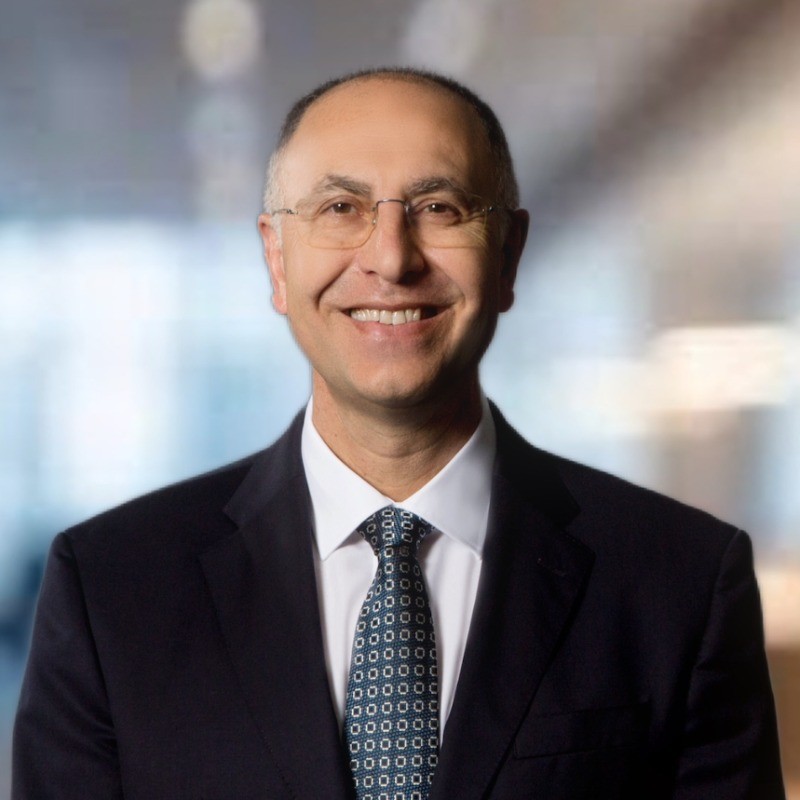
Partner at Mills Oakley
Zein has over 30 years' experience advising on financial services law & regulatory requirements across superannuation, wealth management, insurance, financial planning, platforms, payments and FinTech.
He has advised on fund mergers, acquisitions, divestments, restructures, strategic reviews, business transformations and strategic alliances.
Zein has a market profile in the financial services industry as a thought leader in innovation and has extensive experience in advising on the application of new technology for the manufacture and distribution of financial products and services, including digital advice and technology-led consumer engagement strategies.
His experience includes product development, simplification and rationalisation, entity licensing, resourcing and outsourcing agreements as well as governance, risk management and compliance reviews and transition management arrangements.
Zein has acted on over 20 regulatory remediations across the full spectrum of the financial services industry and has a proven track record in the efficient execution of remediation projects, and is perceived by clients and regulators alike as a safe pair of hands.
Zein also has significant experience in advising on insurance products and regulation, including the development of innovative retirement and structured products that involve the payment of different income streams backed by life insurance risk and investment policies as well as pure non-life insurance income streams backed by managed investment schemes and supera…
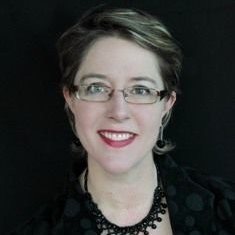
Chief Risk Officer and Group Executive, Sustainability at Aware Super
Jane Couchman is a senior executive in the banking and financial services industry with more than 30 years of experience specialising in legal, risk and governance.
In 2024 she was recognised as the Risk Leader of the Year by the Risk Management Institute of Australasia (RMIA). Throughout her career, she has held executive roles spanning legal, risk and compliance, governance and advocacy, regulatory strategy and corporate sustainability. Jane has led major governance, culture and accountability transformation programs at Macquarie Bank, the Commonwealth Bank of Australia (CBA) and Aware Super, as well as significant strategic initiatives including the risk integration of Asgard and BT Financial Group during the St George–Westpac merger, and Aware Super’s recent digital transformation through the internalisation of its administration platform.
She has overseen global and enterprise‑wide regulatory reforms across financial crime, cybersecurity and operational resilience, and has led major regulatory remediation programs, including multiple enforceable undertakings and APRA’s Prudential Review of CBA.
Jane is currently the Chief Risk Officer and Group Executive, Sustainability at Aware Super, and has previously served as Executive General Manager, Compliance at CBA; Global COO, Compliance and Head of Enterprise Compliance at Macquarie Bank; Chief Risk Officer at BT Financial Group; and General Counsel at Perpetual.
She is a director of the Association of Superannuation Funds of Australia (ASFA) and Women in Super (WiS), and has served o… Read More